

Last month, a survey of 2,000 UK users showed that 67 % of people who own a smartphone now use a gaming app at least once a week. That figure eclipses the 48 % who report watching streaming video regularly. The shift is not just about frequency; it’s reshaping how we allocate leisure time, where we meet friends, and what we consider “entertainment.”
Convenience Meets Social Interaction
Apps like Clash Royale and Words with Friends let players log in on a bus, during a lunch break, or while waiting at a coffee shop. Because the barrier to entry is a tap, users spend an average of 15 minutes per session—shorter than the 30‑minute block usually needed for a sitcom or a movie. That bite‑size fun translates into a new kind of social ritual: a quick match with a colleague, followed by a coffee break, becomes a routine that strengthens workplace camaraderie.
However, the same convenience can backfire for those who struggle with impulse control. A 2023 study by the University of Manchester found that 18 % of respondents admitted to spending more than an hour on a game during a single commute, leading to missed deadlines or reduced productivity.
Monetisation Models and the Rise of the “Free‑to‑Play” Economy
Unlike traditional media, mobile games often adopt a “freemium” model: the base app is free, but revenue comes from micro‑transactions. In the UK, the average spend per player in 2022 was £4.50, a rise of 12 % from the previous year. This shift has prompted developers to create more engaging in‑app events—weekly tournaments, seasonal skins, and limited‑time offers that keep players coming back.
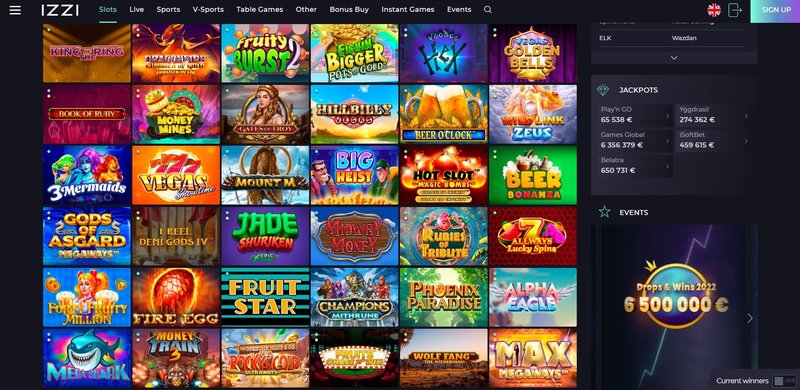
If you’re looking for a similar thrill in a different arena, you might explore ninewin, a reputable online casino that offers a wide range of slots and table games.
For those who enjoy a bit of competition, the cost of entry is almost negligible. A single £2 purchase can unlock a new character or a power‑up that boosts your score by 30 %. Yet, the same micro‑transaction model can entice younger audiences to spend more than they intended. Parents often report that their teens are buying in‑game items without parental consent, a trend that has drawn the attention of the UK’s Advertising Standards Authority.
The Cultural Impact: From Casual to Competitive
Mobile gaming has moved beyond casual pastime to a legitimate competitive sport. Esports tournaments hosted on mobile platforms now attract prize pools exceeding £50,000, and universities in London offer scholarships for top players. The ripple effect is visible in retail: gaming cafés have opened in 15 new cities across the UK, each offering high‑end devices and 24‑hour access.
Still, the rapid pace of content updates can be exhausting. Players often need to download patches that average 120 MB, which can drain data plans and battery life. For commuters with limited data allowance, this translates into an unplanned expense of roughly £5 per month.
How Mobile Gaming Apps Are Changing the UK Entertainment Landscape
Beyond personal enjoyment, the industry is influencing other entertainment sectors. Book publishers now release companion apps that turn chapters into interactive quizzes; music festivals integrate game‑like scavenger hunts to increase attendee engagement. The line between passive and active consumption is blurring, and the result is a more participatory culture.
When you think about the way we spend our evenings, it’s clear that mobile gaming has become a cornerstone of the UK’s leisure ecosystem. It offers instant gratification, social connectivity, and a new revenue stream for developers. Yet, the same forces that drive its popularity also pose challenges—time management, data usage, and the psychological impact of micro‑transactions. Balancing these aspects will determine whether mobile gaming remains a fleeting trend or a lasting fixture in our entertainment habits.
Frequently Asked Questions
How has mobile gaming changed leisure habits?
Mobile gaming now tops streaming video, offering quick, on-the-go entertainment that fits into everyday routines and social interactions.
What makes games like Clash Royale popular?
Their competitive, bite‑size format allows players to engage during short breaks, fostering friendly rivalry and community.
Can mobile games replace traditional hobbies?
They complement rather than replace hobbies, providing flexible, low‑commitment entertainment that can fit into busy schedules.

Leave a Reply